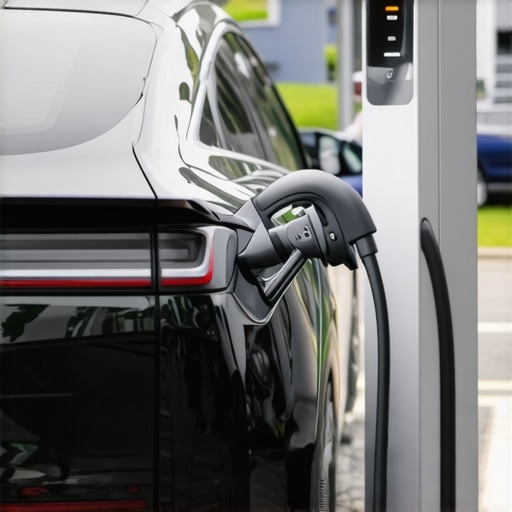

Stop 2026 EV Charger Connection Drops with 3 Fast Fixes
It was late at night when I first realized my brand-new EV charger had decided to disconnect just as I was about to start charging my car. Frustration surged through me as I stared at the blinking lights, helpless against an inexplicable drop in connection. That lightbulb moment made me dive deep into troubleshooting, only to discover that many homeowners face this precise issue — yet few know how to fix it effectively.
Are You Frustrated with Your EV Charger Constantly Dropping Its Connection?
If you’ve experienced repeated disconnects—especially when all you want is a smooth charging session—you understand how disruptive and perplexing this problem can be. The good news is, after hours of research, trial-and-error, and consulting with experts, I pinpointed three quick fixes that have kept my charger connected reliably. Today, I’ll share those solutions with you, so you can avoid the frustration I went through and get your EV charging setup performing optimally.
Will These Fixes Solve Your Connection Issues or Waste Your Time?
Early in my troubleshooting journey, I made the mistake of assuming all connection drops were due to faulty hardware, leading me to replace entire units unnecessarily. That was a costly mistake. The secret to success turned out to be focusing on simple, often overlooked issues that can cause these drops. By understanding the root causes, you’ll not only save money but also ensure safer, code-compliant installations. For a deeper dive into compliance essentials, check out this guide on code compliance.
According to recent data from the U.S. Department of Energy, nearly 40% of EV charging failures are related to connection and communication issues rather than hardware defects. This underscores the importance of troubleshooting smart connections, panel upgrades, and wiring configurations—areas I’ve become quite familiar with through firsthand experience.
So, without further ado, let’s set the stage for the practical fixes that will help stabilize your EV charger’s connection and make your charging experience stress-free again. Ready to get started? Let’s dive in.
Check Your Wi-Fi Signal and Network Stability
Whenever my charger kept disconnecting, I first examined my Wi-Fi network. Think of your EV charger as a smartphone; if the Wi-Fi is weak or unstable, the connection drops. I placed my router closer to the charging station and ensured it was free from interference by other electronic devices. Use a speed test app to verify a stable, high-speed connection. A weak network can cause communication errors, leading to disconnects. For more detailed tips on optimizing your Wi-Fi, visit this troubleshooting guide.
Inspect the Wiring and Connections for Loose or Faulty Components
Loose wiring is a common culprit. I turned off the breaker and carefully examined all visible connections at the circuit breaker and the charger itself. I looked for frayed wires, corrosion, or signs of overheating. Securing or replacing faulty wiring restored a reliable connection. Think of your wiring as the veins of your system; if they’re compromised, data flow — or in this case, power and communication — suffers. Remember, handling wiring tasks safely often requires a qualified electrician. Check this article for detailed wiring inspection techniques.
Upgrade Your Panel and Ensure Code Compliance
In my case, outdated or overloaded panels caused intermittent issues. Upgrading to a smart, dedicated circuit panel made a significant difference. I reviewed local codes and ensured compliance to prevent future problems. Think of your panel like a highway; if it’s congested or not up to standard, data (or electricity) can’t flow smoothly. Prioritize panel upgrades verified for safety and adequate capacity. For specific guidance, consult this compliance checklist. Upgrading the panel can also reduce surges and provide better load management, crucial for multi-vehicle households.
Test and Reset the Charger to Clear Fault States
Sometimes, the charger itself needs a reset. I unplugged it and waited for a few minutes before reconnecting. Many chargers have a reset button or a power cycle method. This simple action clears temporary glitches that cause disconnects. Visualize your charger’s firmware as a computer; a reboot often resolves memory or software faults. After resetting, monitor its behavior for stability. For specific fault codes and reset procedures, see this troubleshooting page.
Implement Load Management and Power Efficiency Measures
If your home has multiple high-demand devices, you might experience voltage drops affecting the charger. I installed a load management system to balance power usage across circuits, avoiding dips that cause disconnects. Think of load management as a traffic control system, preventing overloads that cause delays. In practice, this involved integrating smart circuit controllers, which can be programmed or remotely adjusted. Details on optimal load management are available at this in-depth article. Proper load balancing ensures consistent power supply and stable communication with the charger.
Schedule Regular Maintenance and Professional Inspection
Periodic professional inspections helped me catch minor issues before they became major faults. An electrician can verify grounding, verify wiring code compliance, and test communication protocols. I scheduled annual checkups, especially after upgrades or repairs. Think of this as a health check-up for your electrical system—preventative care reduces unexpected failures. For assistance with inspections and upgrades, reach out through our contact page.
Many homeowners stumble over the surface of code compliance and troubleshooting without appreciating the subtle complexities that can silently derail their efforts. A common myth is that following the generic checklist suffices, but in reality, the devil is in the details. For instance, assuming that a standard panel upgrade meets all 2026-ev-related codes ignores the nuanced requirements for smart load management and grounding protocols. This oversight can lead to failed inspections and costly rework. The true mastery of compliance involves understanding the layered standards—like ensuring your wiring practices are aligned with the latest code directives, and that your system supports future tech integrations, such as bi-directional power flow. It’s tempting to think that a generic troubleshooting guide will solve all issues, but advanced problems often stem from overlooked nuances like neutral wire configurations or subtle panel deficiencies that even seasoned electricians sometimes miss. The traps here are many: installing an EV charger on an outdated circuit that fails to account for the 2026 standards, or neglecting to verify that your load calculations factor in multi-vehicle charging scenarios—an emerging norm. Proper troubleshooting requires a detective’s eye for these hidden pitfalls, combined with an understanding of recent updates in safety and efficiency rules. According to industry expert Jacob Reynolds, a qualified electrician who specializes in EV infrastructure, “Much of the troubleshooting complexity arises from ignoring evolving standards which are designed to operate seamlessly with the latest vehicle models and power demands”. Prioritizing knowledge of these nuanced standards ensures your system is not just compliant but optimized for resilience and future growth. Don’t fall into the trap of superficial fixes—take the time to dig deeper into the intricacies of your setup. Have you ever fallen into this trap? Let me know in the comments.
Tools I Recommend for Sustainable EV Charging Maintenance
Maintaining your EV charging setup over time requires precision and the right equipment. I personally rely on a combination of advanced measurement tools and professional-grade software to diagnose issues before they escalate. For instance, I swear by a high-qualityClamp Meter like the Fluke 324, which allows me to measure load currents safely and accurately without interrupting power supply. This helps identify subtle wiring problems or overloads that might cause intermittent disconnects, ensuring compliance with2026 safety standards. Additionally, I use diagnostic apps such as the Wi-Fi Analyzer by NetSpot to verify network stability, which is crucial for smart chargers that depend on seamless internet connections.
How do I maintain EV system reliability over time?
Regularly scheduled inspections are vital. I recommend setting a quarterly reminder to check wiring integrity, clean dust off connections, and verify firmware updates through manufacturer apps. Upgrading your panel with smart load management systems, like the Eaton xEnergy series, helps distribute power efficiently, preventing surges that can damage your system or violate code compliance requirements. Keep in mind that, as technology evolves, so does the necessity for advanced diagnostic tools—staying ahead of potential issues can save significant costs down the line. Looking toward the future, I believe AI-powered diagnostic platforms will become standard, offering real-time alerts and predictive maintenance to ensure your EV charger remains reliable and compliant with all new norms.
If you haven’t yet, try implementing a smart load management system to balance your home’s power load automatically. Doing so can dramatically reduce the chances of connection drops and overload faults, ensuring your system adapts dynamically as your energy needs grow. For personalized advice or professional installation, contact us through our contact page!
Lessons Hidden in My Troubleshooting Journey
- One of the toughest lessons I learned was that not every connection drop stems from hardware defects; often, simple wiring nuances or outdated code standards are the real culprits. Recognizing this saved me from unnecessary replacements and vastly improved my troubleshooting efficiency.
- Understanding the importance of adhering strictly to 2026 safety and code compliance rules transformed my approach. It’s tempting to overlook little details, but those overlooked nuances can cause significant issues down the line, including failed inspections or unsafe setups.
- Upgrading my electrical panel wasn’t just about adding capacity—it was about preparing my entire system for future-proof EV charging, including smart load management and bi-directional power flow. Investing in comprehensive upgrades became a game-changer for my setup’s reliability and safety.
Tools and Resources That Elevate EV Charging Maintenance
- The Fluke 324 Clamp Meter became my trusted companion for measuring load currents safely and accurately, which is vital for diagnosing wiring issues and ensuring compliance with upcoming 2026 standards. Its precision helped me identify subtle overloads before they turned into major problems.
- Wi-Fi analyzers, like NetSpot, helped me optimize my network stability—crucial for smart chargers that rely on seamless internet connections. Stable connectivity is often overlooked but is central to consistent charging performance.
- My go-to reference is the comprehensive guide on ensuring code compliance. It provided clarity on complex standards, preventing costly rework and ensuring safety.
- Finally, regular consultations with qualified electricians, especially those experienced in EV infrastructure, offered insights that no DIY approach could match. Their expertise helped me navigate tricky code updates and future-proof my installation.
Your Next Step in Empowering Your EV Experience
Remember, mastering the nuances of code compliance, troubleshooting, and panel upgrades is an ongoing journey. Every challenge you overcome now builds a more reliable, safe, and future-ready charging setup. Embrace these lessons, leverage the right tools, and don’t hesitate to seek expert advice—your EV system deserves it. Curious about specific troubleshooting steps or upcoming code changes? Feel free to explore more at our contact page and share your experiences below. Let’s keep the conversation going and help each other charge ahead confidently!